
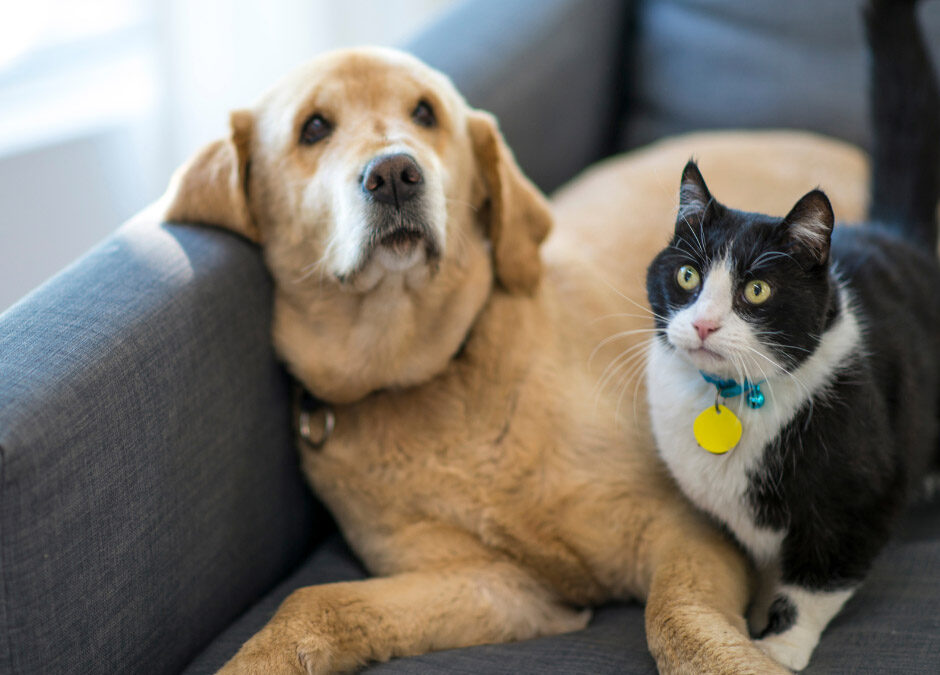
Our dogs and cats are family. They bring joy, companionship, and endless laughs—but they can also bring unexpected chaos and costs.
If you’re a pet owner, your two biggest financial risks aren’t just a sudden, expensive emergency vet bill. They also include the devastating cost of a liability lawsuit if your beloved companion accidentally harms a person or their property.
Protecting your pet, your wallet, and your assets requires a two-pronged strategy: Pet Health Insurance and Personal Liability Coverage.
Part 1: The Pet Health Lifeline (Covering Vet Bills)
Modern veterinary medicine is incredible, offering everything from advanced cancer treatments to complex orthopedic surgery. The flip side? The costs can be staggering. A single emergency trip can easily run into the thousands.
This is where pet health insurance steps in to transform an expensive emergency into a manageable financial event.
Is Pet Insurance Worth It? A Look at Common Claims
The question isn’t if your pet will get sick or injured, but when. Look at the potential costs of some of the most common pet insurance claims:
| Common Pet Injury/Illness | Estimated Vet Cost (Without Insurance) |
|---|---|
| Foreign Object Ingestion (Surgery) | $2,500 – $6,000+ |
| Cruciate Ligament Tear (Surgery) | $3,500 – $7,000+ |
| Broken Bone (Fracture Repair) | $2,000 – $5,000+ |
| Emergency UTI Treatment | $500 – $2,000+ |
Pet insurance plans generally cover a wide range of needs, and you can typically choose from three main types:
- Accident-Only: Covers unexpected physical injuries (e.g., car accident, broken leg).
- Accident & Illness (Comprehensive): The most popular option. Covers injuries and illnesses (e.g., cancer, infections, chronic conditions).
- Wellness/Routine Care: An add-on that helps cover routine items like annual exams, vaccinations, and dental cleanings.
Don’t wait for the unexpected. Policies are typically inexpensive when your pet is young and healthy.
Part 2: The Liability Shield (Protecting You and Your Home)
The second, often overlooked, financial risk is personal liability.
Imagine your dog, usually a gentle giant, gets startled on a walk and bites a pedestrian, or your indoor cat escapes and causes a cyclist to crash. As the pet owner, you are legally responsible for the damages, including medical bills, lost wages, and pain and suffering.
How Your Homeowners or Renters Policy Provides “Paw-tection”
The liability section of your homeowners insurance or renters insurance policy is your primary defense against these claims.
- Coverage Basics: This section pays for legal fees and damages if you are found legally responsible for bodily injury or property damage caused by your pet (up to your policy’s limit).
- The Cost of Claims: Dog bite liability claims alone cost homeowners insurers over $1.5 billion annually, with the average cost per claim approaching $70,000. If a claim exceeds your policy limit (often $100,000–$300,000), you are responsible for the rest.
- Breed Restrictions: Be aware that some insurance companies may have restrictions or charge higher premiums for certain breeds they classify as high-risk. Always be honest with your agent about the pets you own.
Level Up Your Liability with Umbrella Insurance
If you have significant assets (home equity, savings, investments), a $300,000 liability limit may not be enough. This is where a personal umbrella policy provides an extra layer of protection.
- An umbrella policy adds an additional $1 million to $5 million in liability coverage over and above your homeowners/auto policies, giving you protection against catastrophic claims, including those caused by your pet.
Quick Checklist: Secure Your Pet’s Financial Future
Ready to build your complete Paw-tection Plan? Use this checklist:
- Review Liability Limits: Check your current homeowners liability or renters liability coverage. Is it enough to protect your total assets?
- Consider an Umbrella Policy: If your net worth is above your current liability limit, talk to your agent about a Personal Umbrella Policy.
- Get a Pet Health Quote: Obtain quotes for dog insurance or cat health insurance while your pet is young to lock in better rates and avoid exclusions for pre-existing conditions.
- Microchip: Ensure your pet is microchipped and registered. This isn’t insurance, but it is the ultimate protection for a lost pet!
Don’t wait until the next vet emergency or unexpected incident to secure coverage. Contact us to discuss the right balance of liability and health insurance for your cherished companion.