
Picture it.
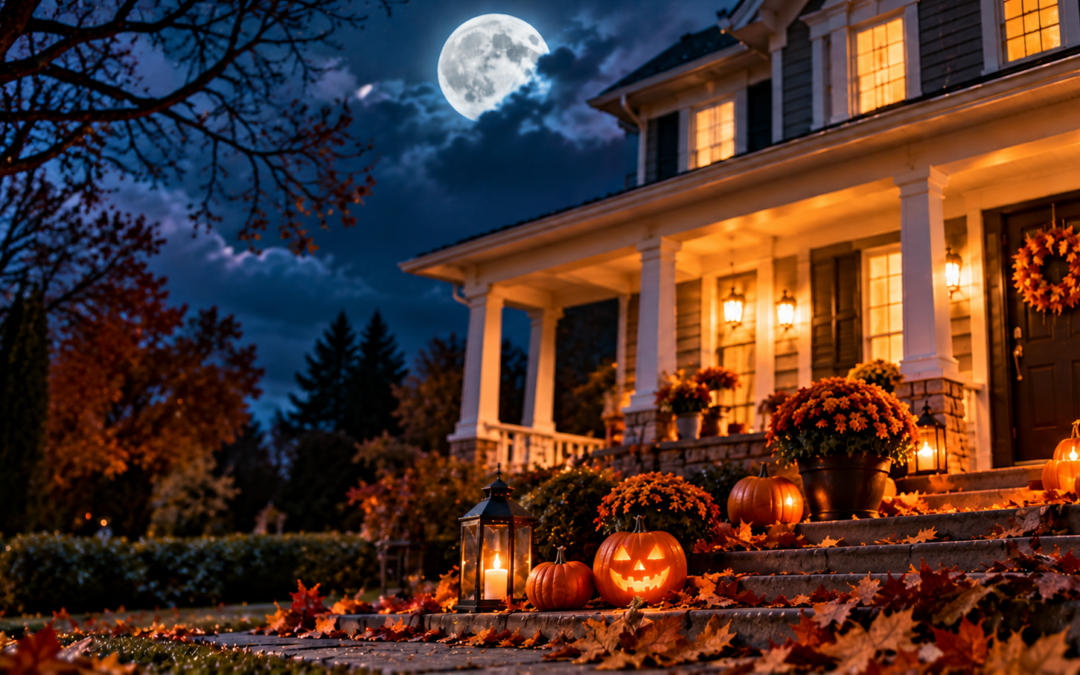
It’s a dark October night. The wind is blowing. The trees are creaking. Something just made a strange noise in the basement.
And for some reason, instead of turning on every light in the house and calling someone, the person in the horror movie decides to investigate.
Alone. We can’t help them. But we can help you make sure your house isn’t providing the perfect setting for the next scary movie—or an unexpected insurance claim.
Grab your flashlight. We’re checking the house.
🌳 Scene #1: The Giant Dead Branch Hanging Over the Roof
Every horror movie needs a creepy old tree. Your house does not. Dead, damaged or overhanging branches can become a serious problem during wind or storms. They may damage your roof, siding, vehicles, fence or another structure on your property.
Take a look around your yard for branches that appear dead, cracked or dangerously close to your home. If something looks questionable, consider having it evaluated by a qualified tree professional.
Horror Movie Rating: 🌕🌕🌕🌕
Definitely worth investigating during daylight.
Scene #2: The Creaky Front Porch
The main character slowly walks up the steps. Creeeeak. Great for a scary movie.
Not so great when it’s your guest carrying a plate of brownies. Loose steps, broken railings, uneven sidewalks and poorly lit walkways can create a liability risk around your home. Walk around your property and look for places where someone could easily trip, slip or fall.
And while you’re at it, make sure exterior lights are working—especially near entrances and stairs.
Horror Movie Rating: 🌕🌕🌕
Fix the step before someone becomes the opening scene.
⚡ Scene #3: The Flickering Lights
In the movies, flickering lights mean the ghost has arrived. In real life, they could mean you have an electrical issue.
Old wiring, overloaded outlets, damaged cords and questionable DIY electrical work can create a fire hazard.
If outlets feel unusually warm, breakers frequently trip, lights continually flicker or something just doesn’t seem right, don’t ignore it. Have electrical problems evaluated by a qualified professional.
Horror Movie Rating: 🌕🌕🌕🌕🌕
No séance required. Call an electrician.
🔥 Scene #4: The Suspicious Space Heater
It’s chilly outside, so someone drags the old space heater out of storage. Then they put it next to the curtains.
Please don’t be that character. Portable heaters should be used according to the manufacturer’s instructions and kept away from curtains, blankets, furniture and other combustible materials.
They should also be placed on a stable surface and generally shouldn’t be left running unattended. Heating equipment and open flames deserve a little extra attention as temperatures drop.
Horror Movie Rating: 🌕🌕🌕🌕🌕
This plot twist is completely avoidable.
🚨 Scene #5: The Ancient Smoke Detector
When was the last time you tested your smoke alarms?
If your answer is…
“Ummm…”
Tonight might be a good night. Test smoke alarms regularly and replace batteries or units according to manufacturer recommendations. Carbon monoxide detectors should get attention too. These aren’t exactly the most exciting items in your home, but they’re among the most important.
Horror Movie Rating: 🌕🌕🌕🌕🌕
The hero of this movie should be a working smoke detector.
💧 Scene #6: The Creepy Basement
Every horror movie basement has three things:
A single dangling light bulb. A suspicious staircase. And absolutely terrible decision-making. Your basement may have something even scarier: water.
Check around pipes, appliances, windows, walls and your water heater for signs of moisture or leaks. Musty smells, stains and unexplained dampness shouldn’t be ignored.
Water damage can become expensive quickly, and insurance coverage can depend heavily on where the water came from and why the damage occurred.
Catching a small problem early is usually much better than discovering it after the basement becomes an indoor swimming pool.
Horror Movie Rating: 🌕🌕🌕🌕
Bring the flashlight. Leave the creepy doll upstairs.
🔐 Scene #7: The Door That Doesn’t Quite Lock
You know the scene. Someone hears a noise. They check the back door. It’s open. Cue the music.
Take a few minutes to check locks on doors, windows, garages, sheds and other entry points. Exterior lighting and motion-activated lights can also help improve visibility around your property.
And if you use a home security system, make sure it’s actually turned on and working properly.
Horror Movie Rating: 🌕🌕🌕🌕
Lock the door. We shouldn’t even have to say this.
📋 Final Scene: The Homeowners Policy Nobody Has Read in Five Years
Here’s where insurance enters our horror movie. Your home may have changed since you purchased your homeowners policy.
Maybe you’ve remodeled the kitchen, finished the basement, built a deck, added a shed, purchased expensive belongings or made other improvements.
Those changes can affect your insurance needs. An occasional insurance review gives you an opportunity to talk with your independent insurance agent about what’s changed, ask questions about your coverage and make sure the information on your policy is still accurate.
🎃 So…Would Your Home Survive the Movie?
Hopefully, yes.
October is a great time to enjoy haunted houses, scary movies and things that go bump in the night.
It’s also a pretty good reminder to take a walk around your real house.
Check the trees. Test the smoke detectors. Look at the steps. Inspect the basement. Pay attention to electrical problems. Secure your doors.
And while you’re making your checklist, add one more item:
☑ Review your homeowners insurance.
Because the best horror stories are the ones happening on your television—not at your house.